
The Importance of Proper Management in Construction Sites
Erosion is a critical concern during construction projects. It can lead to significant environmental damage and financial costs if not managed properly. When clearing land for development, it is vital to implement strategies that minimize erosion risks. This involves understanding the causes of erosion and taking proactive steps to prevent it. By doing so, you help preserve the environment and maintain project budgets.
Understanding Erosion Causes
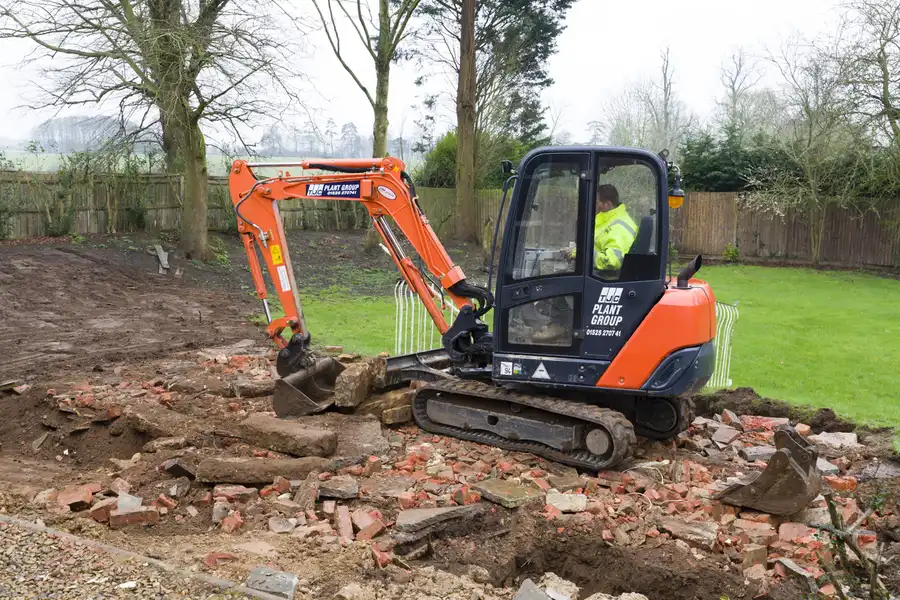
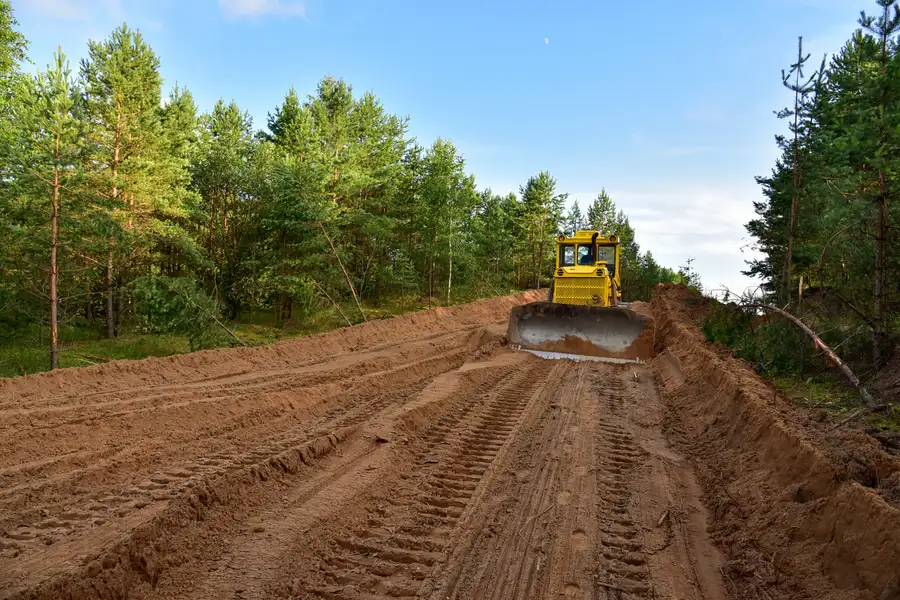
Erosion occurs when soil is displaced by wind or water. During land clearing, this risk increases due to exposed soil and disrupted vegetation. Without trees or plants to hold the soil in place, heavy rains can easily wash it away. Wind also becomes a factor on cleared land, contributing to erosion by blowing loose dirt particles into the air.
Planning Effective Erosion Control Measures
A crucial step in managing erosion risks is to plan effective control measures before starting any clearing work. These include installing barriers like silt fences and sediment traps to catch dislodged soil. Additionally, using mulch or mats can stabilize the ground temporarily. Ensuring proper drainage systems are in place will help divert water flow and reduce soil displacement.
Employing Vegetation Solutions
Incorporating vegetation solutions plays a significant role in erosion prevention. Once the initial land clearing phase is complete, planting cover crops quickly helps stabilize the soil. These plants act as a barrier against wind and water while their roots provide stability. Over time, native plant species can be reintroduced to further enhance soil retention and promote ecological restoration.
Using Best Practices With Machinery
The use of heavy machinery during construction needs careful consideration to minimize erosion risks. Operators should avoid working on steep slopes where possible to prevent disturbing more soil than necessary. It’s beneficial to use smaller equipment on sensitive areas to reduce compaction and surface disruption. Regular maintenance of machines ensures efficient operation with less environmental impact.
Implementing Sediment Control Systems
Sediment control systems are essential for capturing soil that might otherwise travel offsite. Techniques such as hydroseeding, which involves spraying a mixture of seeds and mulch, can effectively stabilize soils quickly. In areas prone to high rainfall, constructing check dams or terraces helps slow down water movement, reducing sediment runoff significantly.
- Install silt fences around site perimeters
- Use straw wattles on slopes
- Apply hydroseeding post-clearing
Compliance With Environmental Regulations
Following local environmental regulations ensures that your land clearing project does not harm surrounding ecosystems. Familiarize yourself with federal guidelines requiring erosion control plans for construction sites. Adhering to these standards not only protects natural resources but also shields your project from potential legal issues.
Monitoring and Maintenance Efforts
Regular monitoring of erosion control measures is crucial throughout the project lifecycle. Inspect barriers and systems frequently to confirm they are functioning correctly. Make adjustments as needed based on weather conditions or changes in site activity. Consistent maintenance minimizes unexpected failures, keeping your project on track while protecting the environment.
Partnering With Experts for Optimal Results
Engaging with experts who specialize in erosion management brings valuable insights and experience to your project. They assist in identifying specific areas at higher risk and recommend tailored solutions that fit your site’s unique requirements. Their expertise ensures efficient implementation of best practices, leading to successful outcomes.
Your Partner for Sustainable Land Management
At South Coast Concrete and Demolition, we offer expert services dedicated to sustainable land management. Our team is located in Alvin, TX, providing local expertise and support for all your construction needs. Call us today at (281) 692-8173 to discuss how we can help manage erosion risks effectively on your next project.